Plant growth regulators (PGRs) for grass are tools used by homeowners and turf managers to manage mowing, improve turf density, and enhance stress tolerance. This guide highlights five widely available options that suit both warm- and cool-season grasses commonly found in American lawns and athletic fields. Each product section covers benefits, typical applications, and practical considerations to help you compare choices without market fluff.
Product Choices At A Glance
| Product | Brand | Core Benefit | Typical Use |
|---|---|---|---|
| Quali-Pro T-Nex Plant Growth Regulator | Quali-Pro | Improves color, root mass, and blade health; stress tolerance | Turf, golf courses |
| Atticus Pramaxis MEC Plant Growth Regulator (8 oz) | Atticus | 11.3% trinexapac-ethyl for growth control; stress resilience | Cool- and warm-season turf |
| Primo Maxx Plant Growth Regulator | Syngenta | Controls vertical growth; reduces mowing needs | Difficult-to-mow areas |
| The Andersons Governor G Granular Lawn Growth Regulator | The Andersons | Significant growth reduction; promotes root energy | Residential lawns |
| Atticus Pramaxis MEC Plant Growth Regulator (1 Gal) | Atticus | Same active ingredient as Primo Maxx; large-volume option | Golf courses, athletic fields, lawns |
Note: Each product lists active ingredients, application guidance, and site suitability. Always follow label directions for your local climate, soil type, and turf species to maximize results and safety.
Quali-Pro T-Nex Plant Growth Regulator (Primo Maxx Equivalent) 128oz
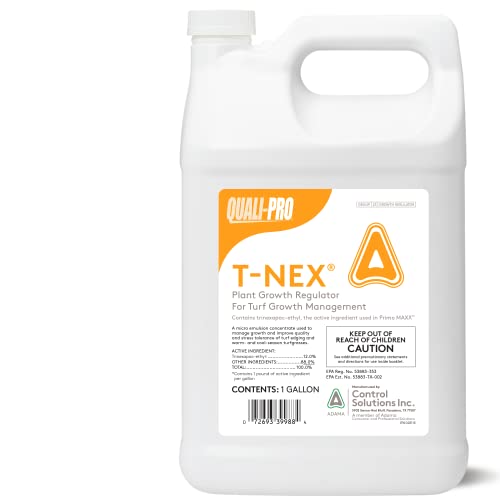
Quali-Pro T-Nex Plant Growth Regulator delivers growth control and quality improvements for both warm- and cool-season grasses. The product is noted for enhancing turf color, promoting lateral stem development, and encouraging a stronger root system—factors that contribute to durable, healthy blades. It is well-suited for turf areas like golf courses, lawns, and other managed spaces where mowing limits are a priority. For best results, align applications with seasonal growth cycles, irrigation practices, and mowing schedules to balance aesthetics with mowing efficiency.
Key considerations include: compatibility with existing cultural practices, uniform spray coverage, and the impact on mowing frequency. Because results depend on species, climate, and soil conditions, turf managers typically establish a baseline program and adjust timing to optimize growth suppression and quality gains. This 128-ounce formulation is designed for larger sites or frequent-use spaces where consistent, long-term results matter.
Atticus Pramaxis MEC Plant Growth Regulator (8 oz) – Growth Control Of Turfgrasses

Atticus Pramaxis MEC contains 11.3% trinexapac-ethyl, matching the active ingredient trusted by turf managers in Primo Maxx. The product is designed to slow vertical growth while promoting robust root mass and rhizome development, improving turf resilience to mowing, drought, heat, and disease. It’s labeled for both cool- and warm-season grasses, making it versatile for mixed-use facilities such as lawns, golf courses, and athletic fields.
Pramaxis MEC offers labor-saving benefits by reducing mowing frequency and clipping volume. In practice, users aim for even coverage across the managed area and coordinate applications with cultural practices (fertilization, irrigation, pest management). The product’s compatibility with multiple turf species and its proven track record among professionals make it a strong candidate for maintenance-focused programs.
Primo Maxx Plant Growth Regulator
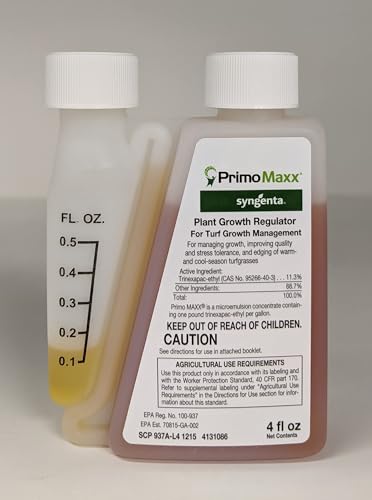
Primo Maxx is a staple in turf management, recognized for reducing vertical shoot growth and helping avoid excessive mowing. It supports turf quality by maintaining dense, even canopies and reducing clipping volume. This product is often chosen for challenging-to-manage areas where mowing energy is a concern and where maintaining uniform blade height is critical for aesthetics and playability in sports turf.
Facility managers should consider integration with mowing regimes and irrigation schedules to maximize efficacy. Because growth regulation can alter nutrient demand and leaf area, pairing Primo Maxx with appropriate fertilization programs helps sustain color and density while limiting maintenance labor. The product’s track record across diverse turf species supports its use in residential lawns, athletic fields, and composed landscapes.
The Andersons Governor G Granular Lawn Growth Regulator
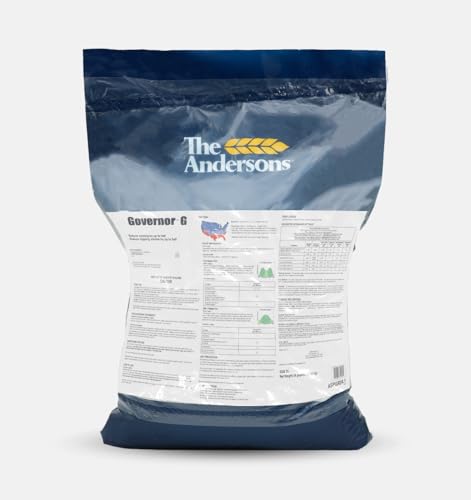
Governor G is a granular growth regulator designed to cut mowing demands by reducing overall turf growth by up to about 50%. In addition to slowing shoot growth, it redirects energy toward root development, which can improve lawn density, color, and resilience to environmental stress. The product is particularly suitable for residential lawns and smaller commercial sites where ease of application and spread is advantageous.
Key considerations include soil type and climate, as granular products can have different uptake patterns compared to liquid formulations. Uniform distribution and light, consistent watering after application can optimize performance. For lawns with frequent mowing or limited labor resources, Governor G offers a practical balance between growth suppression and turf health.
Atticus Pramaxis MEC Plant Growth Regulator (1 Gal) – Growth Control Of Turfgrasses

This 1-gallon version of Pramaxis MEC provides the same active ingredient and growth-control benefits as the 8-ounce bottle, but is designed for larger turf areas or frequent-use facilities. It continues to deliver improved root systems and above-ground growth management, which helps maintain turf health while reducing mowing demands. As with other PGRs, timing is critical; applications should align with seasonal growth patterns and irrigation practices to achieve a balance between visual quality and labor efficiency.
For large sites such as golf courses or athletic fields, a calibrated application plan can ensure consistent canopy density and stress resilience across seasons. The 1 Gal size is intended for ongoing maintenance programs, where steady, uniform application supports long-term turf performance and cost control.
Buying Guide
Key purchase considerations to help you choose the right plant growth regulator for grass:
- Grass species and climate: Confirm the product label lists both warm- and cool-season grasses if your lawn includes multiple species or you operate in mixed-season regions.
- Application rate and coverage: Consider site size and equipment compatibility. Liquid formulations often require sprayers, while granular options need spreaders.
- Labor and maintenance goals: If reducing mowing frequency is a priority, select a product with strong vertical growth suppression and proven root growth benefits.
- Active ingredient and safety profile: Common actives include trinexapac-ethyl variants. Review compatibility with current fertilization, herbicide, and pest-control programs.
- Irrigation and weather patterns: PGR effectiveness can be influenced by rainfall and irrigation. Plan applications around expected moisture events for optimal uptake.
- Site type and maintenance schedule: Golf courses, athletic fields, and residential lawns have different maintenance demands. Choose a product that aligns with your mowing regime and equipment use.
- Cost and scalability: Larger-volume options may reduce cost per acre and are more suitable for extensive properties, while smaller bottles suit homeowners.
- Environmental considerations: Always follow label directions to minimize runoff potential and avoid negative impacts on non-target plants.
In summary, selecting a plant growth regulator for grass involves balancing turf species, climate, site size, and maintenance goals. The five products highlighted here cover a spectrum of active ingredients and formulations, offering options for residential lawns, sports turf, and managed landscapes. Evaluate your mowing needs, spray or spread capabilities, and long-term upkeep plan to determine which product best fits your turf program.