Indoor plants can suffer from spider mites and other soft-bodied pests. The following sprays are designed to control mites while keeping plants healthy and safe for households. This guide highlights five products that are commonly used by hobbyists and gardeners alike, detailing how they work, where they’re best used, and what to expect during application.
| Product | Brand | Key Benefit |
|---|---|---|
| Bonide Insecticidal Soap, 32 oz Ready-to-Use | Bonide | Multi-purpose insect control, effective on contact for mites and other pests |
| Grower’s Ally Spider Mite Control Spray Ready to Use | Grower’s Ally | Natural, OMRI-listed miticide with rosemary oil for indoor/outdoor use |
| BioAdvanced Houseplant Insect & Mite Control, 24 oz | BioAdvanced | Kills mites and protects against related diseases on houseplants |
| Neem Oil Spray for Plants with Peppermint Oil | Smart Grower | Botanical oil-based spray with peppermint oil for plant health and pest deterrence |
| Earth’s Ally 3-in-1 Plant Spray | Earth’s Ally | Insecticide, miticide and fungicide for broad plant protection |
Bonide Insecticidal Soap For Pests On Indoor Plants
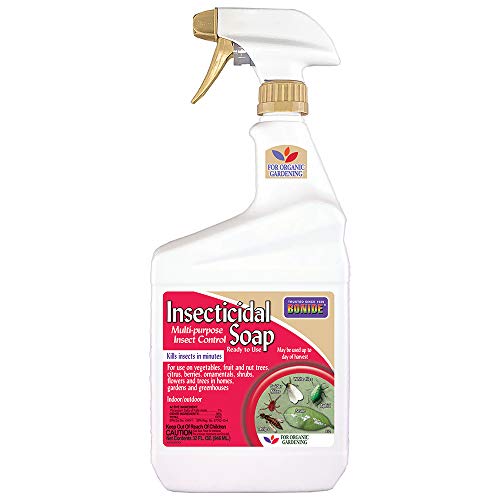
Bonide Insecticidal Soap is a ready-to-use spray designed to suppress a range of soft-bodied insects, including mites. The formula works through direct contact to disrupt the pest’s cellular processes, leading to quick knockdown. While labeled primarily for outdoor use, many growers apply it on indoor plants for mites, aphids, thrips, and whiteflies. The product’s soap base helps remove waxy protective coatings on pests, increasing exposure to the active ingredients. When using indoors, ensure good ventilation and test on a small leaf area first to minimize any risk of leaf burn. This option is especially popular for organic and hobbyist setups seeking a soap-based approach without synthetic pesticides.
Key considerations: effectiveness on contact, compatibility with most houseplants, and the need for thorough coverage including undersides of leaves. Reapplication after several days may be necessary if pests persist. Avoid using on plants with sensitive foliage without a test patch.
Grower’s Ally Spider Mite Control Spray Ready to Use
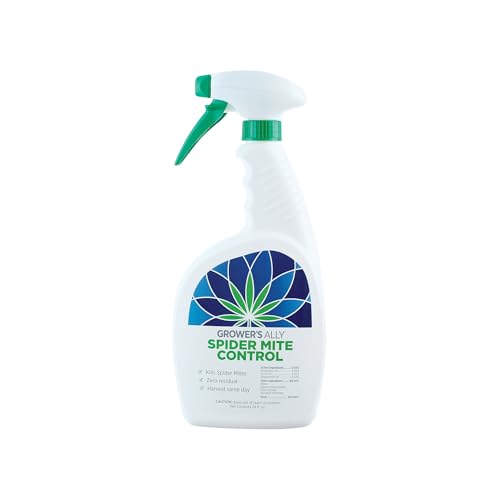
Grower’s Ally Spider Mite Control uses a botanical oil blend featuring rosemary, clove, and peppermint oils. It is FIFRA 25(b) exempt and OMRI Listed, aligning with organic gardening practices. This spray targets spider mites by acting on their nervous system and can be used as both a curative and preventative treatment. It’s designed for indoor and outdoor use, making it versatile for home greenhouses or apartment setups where mites are a recurring issue. Many indoor gardeners appreciate its essentially natural formulation and lack of synthetic residues, which can be a plus for plants kept indoors around families and pets when used as directed.
Key considerations: suitability for regular preventive applications, the odor of essential oils, and ensuring full leaf surface coverage, including the undersides where mites nest. As with any oil-based product, avoid applying during peak heat to reduce the risk of leaf burn and to allow the film to dry evenly.
BioAdvanced Houseplant Insect & Mite Control
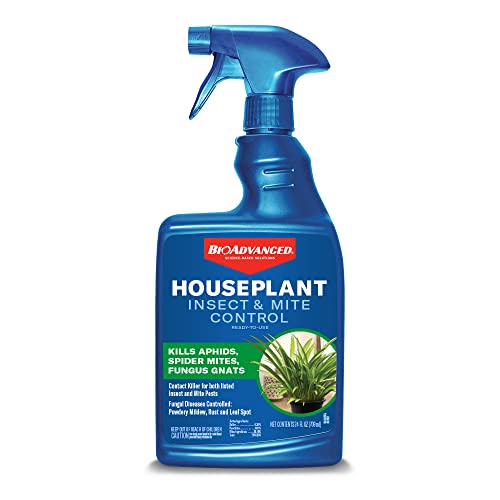
BioAdvanced Houseplant Insect & Mite Control provides a ready-to-use solution for houseplants, tackling both insects and mites including the ability to reach mites on contact. The spray not only kills on contact but also helps prevent broader pest issues by addressing diseases that commonly accompany mite infestations, such as powdery mildew. For indoor plants, thorough application is essential—target all plant surfaces, with extra attention to new growth and the undersides of leaves where mites often hide. This product is a flexible option for plant parents seeking a single spray that covers multiple pest threats while supporting plant health through disease prevention.
Key considerations: compatibility with a wide range of houseplants, whether the product is labeled for indoor use in your region, and the need for complete coverage to ensure mites do not escape treatment. Retreatment intervals are typically guided by pest pressure and plant tolerance.
Neem Oil Spray With Peppermint For Plants

Smart Grower’s Neem Oil Spray combines neem oil with peppermint oil, delivering a natural approach to plant protection. Neem oil acts as an insect growth regulator and miticide, reducing pest populations over time, while peppermint oil adds a refreshing scent and potential deterrence for certain pests. This spray is suitable for indoor and outdoor plants and is prized by gardeners seeking a gentle, plant-safe option that minimizes chemical exposure inside living spaces. Application timing matters: consistently cover both upper and lower leaf surfaces and reapply as directed to maintain protective levels on active pests.
Key considerations: neem oil formulations can smear on glossy leaves, so test on a small area first; check compatibility with delicate foliage, and be mindful of potential phytotoxicity on sensitive plant varieties when used at higher concentrations.
Earth’s Ally 3-in-1 Plant Spray

Earth’s Ally 3-in-1 Plant Spray combines insecticide, miticide, and fungicide in a single formula. This multi-action approach targets pests like spider mites while also addressing common plant diseases such as powdery mildew and leaf spot. The product uses botanical oils designed to create a hostile environment for pests while supporting overall plant health. It’s suitable for indoor plants, outdoor gardens, and trees, offering a comprehensive option for gardeners dealing with complex pest pressures. Because it covers multiple threats, it can reduce the need for multiple products in a routine treatment plan.
Key considerations: the breadth of action can be beneficial, but confirm that the spray is appropriate for your specific plant species. Always follow label directions to avoid any adverse effects on sensitive varieties and to ensure safe indoor use.
Buying Guide: Key Purchase Considerations For Spider Mite Sprays
When selecting a spider mite spray for indoor plants, consider pest pressure, plant sensitivity, and product compatibility with your growing environment. Here are essential factors to weigh:
- Mode of action: Choose products with contact kill or systemic effects as needed. For mites, miticides that disrupt the pest’s nervous system or cut off feeding are common.
- Active ingredients: Botanical oils (rosemary, clove, peppermint, neem) are favored for organic setups, while soap-based formulas offer quick knockdown without synthetic residues.
- Plant safety: Test any spray on a small leaf first, especially on delicate foliage or variegated varieties prone to leaf burn.
- Indoor suitability: Ensure the product label explicitly covers indoor use and is safe for the plants you’re growing in your home.
- Application coverage: Thorough coverage of the entire plant, including undersides of leaves and new growth, is crucial for mites that hide on the underside.
- Reapplication schedule: Mite populations can rebound; plan for regular monitoring and follow label-recommended intervals between treatments.
- Environment and pets: Some sprays are safer for households with pets and children, especially soap- or oil-based products. Follow ventilation guidelines after application.
- Combination use: For complex infestations, a rotation of products with different modes of action can help prevent resistance, while minimizing plant stress.
- Documentation: Keep a simple log of sprays applied, dates, and observed results to optimize future treatments and avoid overuse.
In summary, selecting the right spider mite spray for indoor plants involves balancing efficacy with plant safety and household considerations. The five products highlighted provide a spectrum from soap-and-water and botanical oil blends to multi-action sprays. For best results, combine careful monitoring, thorough leaf coverage, and a measured treatment plan tailored to your plant types and infestation level.