Gardening in areas with deer can be challenging, especially for vegetable plots. The right combination of physical barriers, repellents, and deterrents helps protect crops without harming wildlife. Below are five highly relevant products designed to keep deer and other herbivores away from vegetables, fruit trees, and garden beds. Use them in combination for best results, considering your garden size, local wildlife, and budget.
| Product | Protection Type | Best For |
|---|---|---|
| KLEWEE Bird Netting | Physical barrier | Fruit trees, berries, vegetables |
| CKUKARM Deer Repellent | Repellent spray/balls | Yards and fruit trees |
| HOLANHING Plant Protectors | Metal cages | Seedlings and small plants |
| Liquid Fence Ready-To-Use | Scent-based repellent | Flower beds, shrubs, vines |
| Alphatool Large Garden Netting | Physical barrier | Large raised beds and plots |
KLEWEE Bird Netting For Garden Protection

The KLEWEE bird netting provides a robust physical barrier against birds, deer, and other pests. Measuring 7.5 feet by 25 feet, its 3/4-inch square mesh is designed to prevent hungry critters from reaching ripening fruits, vegetables, and plants. The kit includes 10 metal U-shaped staples and 50 zip ties for quick installation. The UV-stabilized material is touted as weatherproof and reusable, offering long-lasting use across multiple seasons without toxic or harmful effects to wildlife. This netting is particularly useful for protecting blueberry bushes, strawberries, vegetables, and small trees.
Key features include a durable, non-toxic construction, easy-to-install hardware, and a mesh size that balances airflow and light with effective deterrence. Users should ensure edges are secured adequately against larger pests and winds. For larger plots, consider combining with row covers or fencing for enhanced protection. While effective for many birds, it remains compatible with garden nets and plant supports for flexible deployment.
CKUKARM Deer Repellent For Plants And Gardens
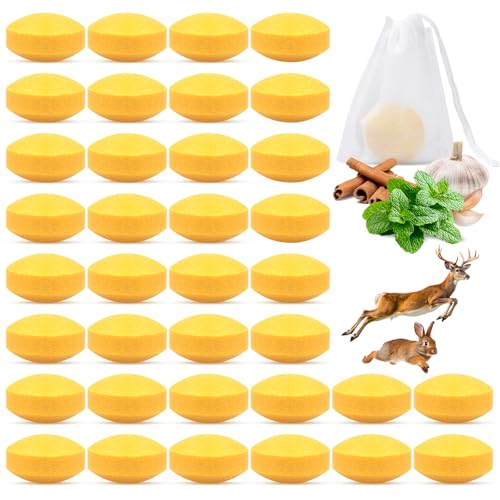
CKUKARM’s deer and rabbit repellent relies on plant-based ingredients, including peppermint and garlic oils, to create an unpleasant scent and taste for browsing animals. The product is designed for humane deterrence, targeting trees, lawns, and garden beds without harming wildlife. It offers a simple application process: remove packaging, place the deterrent ball into the mesh bag, and hang it on trees or place near vegetables. Coverage is stated up to 120 square feet per item, making it suitable for smaller plots or as a supplementary measure in larger gardens. It’s described as safe for humans, pets, and plants when used as directed.
Consider this option if you prefer a scent-based approach over physical barriers. Its effectiveness can vary with wind and weather, and reapplication after rain is typically needed to maintain odor intensity. For best results, rotate locations and combine with other deterrents to reduce deer pressure.
HOLANHING 6 Pack Plant Protectors

HOLANHING offers a value package with 18 pre-bent metal plant protection meshes, enough for constructing six protective cages. The set includes 100 zip ties and 24 stakes, enabling flexible cage layouts to shield seedlings and young plants from deer and other animals. Made of 2mm-thick metal with vinyl coating, these protectors aim to resist wind, rain, rust, and corrosion for extended use. The design prioritizes sunlight access, as the mesh preserves natural growth while keeping predators at bay. This option is well-suited for protecting low-to-mid-height crops and perennials during vulnerable growth stages.
Installation is straightforward: form a circle with three mesh pieces, secure with zip ties, and anchor with stakes. The kit is particularly helpful for gardeners who want a quick, cage-based solution around individual plants or small clusters, without constructing full fencing.
Liquid Fence Ready-To-Use Deer And Rabbit Repellent

This ready-to-use liquid repellent is designed for year-round deer and rabbit deterrence. It can be applied to plants, shrubs, trees, vines, and other garden features to create an aversive scent that discourages nibbling. The formulation is described as rain-resistant, enabling immediate action upon application and ongoing protection through varying weather conditions. It is portrayed as safe for plants and wildlife when used as directed, making it suitable for ornamental gardens as well as vegetable plots where deer browsing is a concern.
For best results, reapply after rainfall or heavy irrigation and reapply as deer pressure shifts with seasons. Pairing this spray with a physical barrier of some kind can provide complementary protection, reducing animal contact and promoting healthier plant growth.
Alphatool 10x20ft Garden Netting For Large Plots

Alphatool’s large 10×20-foot garden netting provides an expansive physical barrier to protect vegetables, fruits, and flowers from small animals and birds. The netting is described as ultra-fine with high permeability, allowing water, light, and air to reach plants while maintaining a protective barrier. The package specifies that only netting is included, not poles, so plan to pair with existing supports or stakes. The material is described as durable PE, designed for repeated use across growing seasons, which can help in larger garden beds or raised beds where deer activity is a concern.
When deploying large netting, secure edges firmly to prevent gaps that deer could exploit. It’s especially effective for shielding raised beds, trellised crops, and sprawling vegetable plots, with the added benefit of maintaining vertical space for climbing plants or fruit trees.
Buying Guide: Key Purchase Considerations For Deer Deterrence
Choosing the right combination of deterrents depends on garden size, deer pressure, plant types, and maintenance preferences. Consider these factors when planning your protection strategy:
- Physical barriers: Netting and cages provide reliable protection for crops and especially vulnerable seedlings. For larger plots, consider expansive netting or a compatible fence height along with perimeter barriers.
- Repellents: Scent and taste deterrents can reduce deer browsing without physical barriers. Use repellents as a supplementary layer, particularly around high-value plants or before new growth emerges.
- Coverage area: Measure your garden to determine how many units or kits you need. Some products cover small areas, while nets and cages scale to larger plots.
- Durability and weather resistance: UV-stabilized materials and rust-resistant metal protectors are essential for multi-season use in varying climates.
- Ease of installation: Quick-install solutions save time during seasonal shifts. Pre-bent cages and simple tie-downs help reduce setup effort.
- Safety and ecosystem impact: Opt for non-toxic, wildlife-friendly products that won’t harm deer, pets, or beneficial organisms in your garden.
- Maintenance and reapplication: Some repellents require regular reapplication after rain. Plan a maintenance schedule aligned with weather patterns and deer activity.
- Compatibility with existing setups: Ensure chosen deterrents work with your current garden structures, such as trellises, rows, and raised beds.
In practice, a layered approach—combining physical barriers with behavioral repellents—tends to yield the best protection for a vegetable garden. Start with sturdy netting or cages around vulnerable crops, then augment with seasonal repellents where deer pressure is greatest. Regular inspection and timely reapplication can help maintain high effectiveness throughout the growing season.