Autumn higan cherry trees add dramatic seasonal color, offering spring blossoms and vibrant fall foliage. This guide highlights five noteworthy options, detailing growth habits, landscape appeal, and care considerations. Whether you’re planning a yard border, a focal specimen, or a cascading backdrop, these selections help you compare choices across bloom power, form, and adaptability for American climates.
| Product | Brand | Key Feature |
|---|---|---|
| Autumn Blooming Higan Cherry Trees | Generic | 6-12″ bare-root, early spring blooms, vivid fall color |
| Weeping Higan Cherry Tree | Pixies Gardens | Cascading pink blossoms, versatile landscape use |
| Higan Japanese Pink Weeping Cherry Tree | DAS Farms | Dormant transplanting window, cold-hardy |
| Generic Cherry Flowering Tree (Yoshino) | Generic | Year-round charm, easy-care |
| Generic Bing Cherry Tree | Generic | Deep red cherries, flavorful harvest |
Autumn Blooming Higan Cherry Trees

The two Autumn Blooming Higan Cherry trees are offered as a 2-pack of bareroot plants measuring about 6-12 inches tall. They are also known by names such as Autumn Alice Cherry or Autumnalis Cherry, reflecting their distinctive autumn-friendly habit. In early spring, they deliver spectacular mass blooms in soft pink, creating an inviting floral display that brightens any yard. In autumn, their foliage transitions to a golden, orange, and crimson palette, providing a second season of color that complements spring interest. These traits make them ideal for gardeners seeking dual-season depth.
Weeping Higan Cherry Tree

The Weeping Higan Cherry Tree offers cascading branches adorned with clusters of soft pink blossoms each spring, creating a timeless focal point in any landscape. This ornamental tree provides a graceful silhouette, making it a standout choice for front yards, patios, or borders. Its spring bloom is the headline feature, while the weeping form adds vertical interest and a sense of movement to garden designs. It adapts well to a variety of landscapes, provided it receives adequate sun and well-drained soil.
Higan Japanese Pink Weeping Cherry Tree
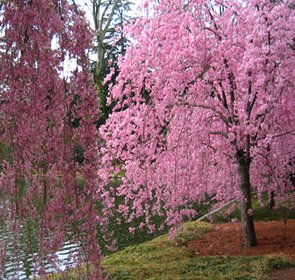
This DAS Farms live plant arrives as a 1 to 2-foot-tall specimen, still in its dormant phase with no leaves. Bareroot transplantation is advised during the dormant period, and planting directly in the ground is recommended rather than in containers. The trees are suited to zones 4 through 8 and respond well to full or partial sun. The pink weeping form adds dramatic elegance, shaping a graceful canopy that enhances garden borders, courtyards, or entryways with seasonal charm.
Generic Cherry Flowering Tree, Yoshino

This Yoshino cherry offers year-round charm with seasonal transformations, presenting a reliable, easy-care flowering option for many American landscapes. Planting considerations include avoiding restricted shipping regions due to agricultural laws, with careful attention to regional regulations. The Yoshino-shaped canopy supports attractive spring blossoms and refined fall color, making it a versatile choice for borders, sidewalks, or small gardens where a compact tree with a graceful silhouette is desired.
Generic Bing Cherry Tree

The Bing cherry tree emphasizes fruiting potential alongside ornamental value. With a typical hardiness range suitable for many regions, this tree features deep red, heart-shaped cherries that are highly flavorful and juicy when in season. The cultivar is presented in a 5-gallon nursery pot, emphasizing a robust introduction into landscapes that welcome edible fruit alongside aesthetic blossoms. Availability is tempered by agricultural restrictions to certain states, so confirm local shipping eligibility before purchase.
Buying Guide
Key considerations help buyers select the right autumn higan cherry trees for their landscape goals:
- Climate compatibility: Match the cultivar to your USDA hardiness zone. Some varieties tolerate zones 4–8, while others may have stricter restrictions.
- Growth habit and height: Consider whether you want a cascading weeping form, a compact ornamental tree, or a larger specimen for a focal point.
- Bloom timing and color: Early spring blossoms and fall foliage color are primary aesthetic drivers; note pink versus white bloom variations and autumn leaf hues.
- Transplant timing and method: Dormant-season planting is common for bare-root selections; verify container or ground transplant guidelines for each cultivar.
- Soil and sun requirements: Most cherry trees prefer well-drained soil and full sun for best bloom and fruit development.
- Regulatory shipping: Some listings restrict delivery to certain states due to agricultural regulations; plan accordingly to avoid order cancellations.
- Maintenance needs: Assess pruning, pest management, and watering needs to align with your garden routine and experience level.
In comparing options, consider the balance between ornamental value and fruiting potential. Weeping forms deliver dynamic aesthetic interest, while upright varieties focus on architectural appeal and seasonal color. For edible fruit, varieties marketed with Bing or cherry fruiting traits offer additional harvest considerations, though they may require more rigorous care to optimize yield. Always review product-specific guidance on transplant timing, root status (bare-root vs. container), and regional suitability to ensure successful establishment and long-term health.