Gardening success in vegetable plots hinges on keeping weeds at bay while protecting crops. This guide highlights top herbicides and weed-control products suited for vegetable gardens, from preemergence formulas that block weed seeds to targeted post-emergence solutions. Read on to compare options, application tips, and what to consider when choosing a product for your beds.
| Product | Key Benefit | Type |
|---|---|---|
| Monterey Vegetable And Ornamental Weeder Bundled | Preemergence control for weed seeds; long-lasting protection | Preemergence |
| Hi Yield 16 Oz Grass Killer | Kills existing grasses around vegetables safely | Post-emergence |
| ECO Garden PRO Organic Weed Killer | Glyphosate-free, kid/pet safe, fast results | Organic/RTU |
| Bonide Chickweed, Clover And Oxalis Killer | Kills common broadleaf weeds in lawns and beds | Concentrate |
| ALLIGARE Herbicide | Broad-spectrum control of many annual, biennial, and perennial weeds | Herbicide |
Choosing the right herbicide for a vegetable garden depends on weed types, crop tolerance, and how you plan to manage the bed. The products below provide a range of options, from preemergence barriers to post-emergence killers. Always follow label directions and consider integrating non-chemical methods like mulch and proper spacing for a comprehensive weed-management plan.
Monterey Weeder: Preemergence Control For Gardens

Monterey Weeder provides a preemergence barrier that targets weed seeds as they germinate, helping maintain a weed-free vegetable garden. The product is designed for use in ornamental settings as well, offering versatility across beds, borders, and established plantings. Its 43% active ingredient Trifluralin delivers extended protection against annual grasses and broadleaf weeds, making it a strong option for seasons with heavy weed pressure. Application timing is crucial; apply before weeds emerge, and ensure soil is suitable for its use in vegetable plots. This product is bundled with a measuring spoon for precise mixing and application.
Key considerations: preemergence formulas require clean, weed-free soil prep prior to planting, and they do not control existing weeds. For best results in a vegetable garden, apply before seed germination and water in as directed to activate the active ingredient. Users should confirm crop compatibility on the label to avoid any potential phytotoxic effects on sensitive vegetables. This option is well-suited for gardeners seeking long-lasting weed suppression in beds where crops are already established or planned for the season.
Hi Yield Grass Killer: Post-Emergence Solution
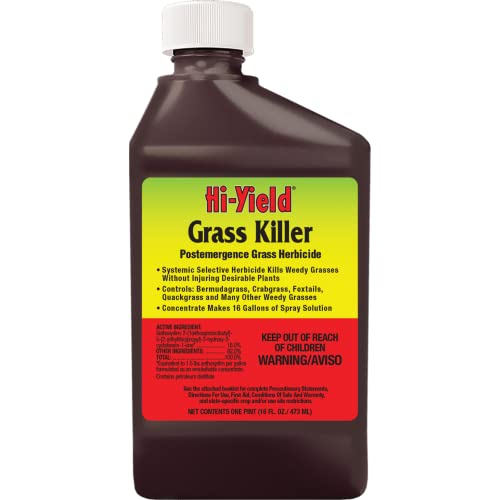
This selective post-emergent herbicide targets grass growth and can be applied around vegetables, trees, shrubs, and ornamentals safely. It stops weed grasses within about two days after application, providing rapid suppression to protect vegetable beds during critical growth periods. While effective for grassy weeds, this product is not designed to eliminate broadleaf weeds; it’s best used as part of a broader weed-management plan that includes mulching and mechanical weed control to handle dicot weeds. Always follow label directions for safe use near vegetables, ensuring spray drift is minimized and crops are not exposed to unintended contact.
Key considerations: ensure proper identification of grasses versus broadleaf weeds to select the right chemical approach. Use around vegetables with caution to avoid foliar contact on edible parts, and consider buffer zones and weather conditions that affect spray performance. This option complements preemergence strategies by handling existing grasses that may have already emerged in the bed.
ECO Garden PRO Organic Weed Killer

Eco Garden Pro offers an organic, vinegar-based weed killer that is designed to be pet- and kid-safe. The RTU formula contains natural white vinegar, organic rock salt, biodegradable plant activators, and fermentation-derived co-factors, providing fast-acting results—often within 24 hours. This product is suitable for residential, commercial, and industrial use, including driveways, sidewalks, mulch beds, and flower beds adjacent to vegetable plots. Its glyphosate-free formulation makes it appealing for gardeners seeking a more natural option while maintaining effectiveness against many common weeds.
Key considerations: organic or “natural” label does not guarantee universal safety for all plants—prevent spray contact with desirable ornamentals and vegetables. RTU formulations are convenient but often more effective on small patches than on dense, mature weeds. For vegetable gardens, plan for multiple applications and consider integrating mechanical removal for deeply rooted weeds to maximize results without disturbing crops.
Bonide Chickweed, Clover And Oxalis Killer

Bonide Chickweed, Clover and Oxalis Killer is a 16-ounce concentrate designed to eliminate a broad range of weeds, including chickweed, clover, oxalis, dandelions, and more than 100 other tough-to-control species. It’s formulated to be safe for lawns when used as directed, allowing lawn-adjacent beds to remain weed-free without injuring turf. For vegetable beds, this product is best used selectively and according to label directions to prevent unintended exposure to edible plants. It requires mixing before application, with premixed ready-to-use options available as well.
Key considerations: always perform a spot-test on a small area to confirm crop tolerance before broader use in edible beds. Avoid applying during extreme heat or drought conditions, and follow dilution rates precisely to minimize risk to nearby vegetables. This option is well-suited for mixed landscapes where lawn and garden areas share boundaries, helping manage weeds that encroach from turf into vegetable beds.
ALLIGARE Herbicide: Broad-Spectrum Control

ALLIGARE Herbicide focuses on broad-spectrum control for a wide range of annual, biennial, and perennial weeds, including brush. For a vegetable garden, this option provides a versatile tool against persistent weed species that threaten crop spacing and yield. As with any powerful herbicide, adherence to label instructions is essential to protect crops and avoid unintended harm to desirable plants. The product’s broad action can be advantageous in weedy plots where multiple weed types compete with vegetables for light and nutrients.
Key considerations: ensure compatibility with your garden’s crop rotation plan and use appropriate targeted applications to minimize exposure to edible plants. Some formulations require careful timing to maximize effectiveness, while others may have longer absorption times. Consider integrating with mulching and regular cultivation to maintain weed suppression between chemical applications.
Buying Guide: Key Purchase Considerations And Comparisons
- Weed type and timing: Preemergence products prevent germination and are best applied before weeds appear. Post-emergence options kill existing weeds but may need more frequent reapplication in dense beds.
- Crop safety and proximity: Always check the label for crop tolerance and buffer distances from vegetables. Some products are safe around ornamentals but not edible parts.
- Environmental and health considerations: Organic or non-glyphosate options appeal to health-conscious gardeners but may require more frequent applications or larger areas to achieve results.
- Application method and ease: RTU (ready-to-use) formulas save time but may be less economical per area than concentrates. Premeasured packets or measuring tools help with accuracy.
- Compatibility with other inputs: Some products mix well with fertilizers or other herbicides, while others require separate applications. Read the label about tank-mixing compatibility and sequence.
- Integrated weed management: Combine chemical controls with mulch, cultivation, and proper irrigation to reduce weed pressure and improve overall garden health.
- Safety and storage: Store products in a cool, dry place and keep them out of reach of children and pets. Follow disposal guidelines for containers and leftover solution.
In summary, selecting the right herbicide for a vegetable garden involves assessing weed species, crop tolerance, and practical application considerations. The options reviewed here cover a spectrum from preemergence barriers to post-emergence removers and organic alternatives. Pair these products with sound garden practices to maintain productive, weed-managed vegetable beds throughout the growing season.