Protecting garden beds and pathways from weeds is a common goal for American gardeners. This article highlights five top Black garden paper and weed barrier options that blend durability, permeability, and ease of use. Each product below is chosen for its relevance to weed control through paper or fabric barriers, offering a mix of traditional landscape fabrics and biodegradable paper alternatives. Explore how these barriers perform in different setups—from raised beds to driveways—and compare their key features to decide which fits your needs.
| Product | Brand | Format | Ideal For |
|---|---|---|---|
| EXTRAEASY Heavy-Duty Weed Barrier (1.4 ft x 50 ft) | EXTRAEASY | Weed barrier fabric | Narrow beds, pathways, raised beds |
| Dewitt Natural Paper Mulch (4 x 300 ft) | Dewitt | Biodegradable paper mulch | Vegetable gardens, beds, greenhouses |
| SMART&CASUAL Kraft Paper Roll (17.8 in x 63 ft) | SMART&CASUAL | Kraft paper roll | Gift wrapping, decor, occasional ground cover |
| AGEGOMIC Biodegradable Weed Barrier (4 x 100 ft) | AGEGOMIC | Biodegradable paper barrier | Outdoor garden beds, soil-friendly mulch |
| GDNaid Weed Barrier (6 ft x 100 ft) | GDNaid | Weed barrier fabric | Extensive garden beds, pathways |
EXTRAEASY Heavy-Duty Weed Barrier (1.4 ft x 50 ft)
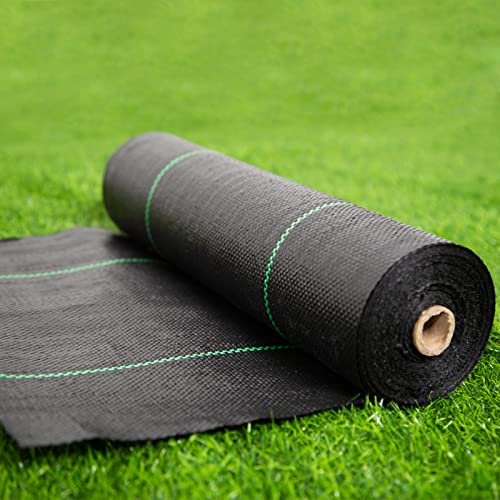
The EXTRAEASY weed barrier is a heavy-duty polypropylene woven fabric designed to block weed growth while allowing air, water, and nutrients to reach the soil. Its 1.4-foot width makes it suitable for narrow vegetable beds, flower borders, ground covers, and driveways, reducing the need for wider fabric cuts. The barrier remains durable under foot traffic and weather exposure, providing long-lasting weed suppression for select garden projects without obstructing soil health.
Key features and benefits:
– Premium weed barrier fabric with thick weave for durability
– Narrow width for precise coverage in tight spaces
– High permeability to support soil respiration
Dewitt Natural Paper Mulch (4 x 300 Feet)

This organic paper mulch is a natural, soil-friendly option designed for vegetable gardens and annual plantings. It creates a weed-suppressing cover while allowing air, water, and nutrients to move into the soil. The gradual breakdown enriches the soil with organic matter, and at season’s end, the mulch can be tilled into the bed, contributing to soil health without leaving synthetic residue.
Key features and benefits:
– 100% natural paper mulch suitable for organic gardens
– Breathable barrier that preserves soil health
– Biodegrades over time, returning organic matter to the soil
SMART&CASUAL Kraft Paper Roll (Large-Format)

The Kraft paper roll from SMART&CASUAL provides a versatile option for packaging, art, and light ground-cover use. While primarily marketed for wrapping and crafts, the roll’s sturdy, recyclable kraft paper can serve as a temporary weed barrier in light-duty beds or decorative areas where a natural, breathable mulch cover is desired. It’s easy to cut, fold, and lay around plants as needed.
Key features and benefits:
– Classic kraft paper with broad applications beyond gardening
– Tear-resistant and easy to cut
– Recyclable and biodegradable, suitable for eco-conscious projects
AGEGOMIC Biodegradable Weed Barrier (4 x 100 ft)

This biodegradable paper barrier is crafted from 100% natural, unbleached kraft paper designed to be durable yet fully biodegradable. It supports soil health by allowing airflow and nutrient diffusion while diffusing sunlight to suppress weed growth. Over time, the barrier breaks down and contributes organic matter to the soil, a practical option for sustainable garden beds and pathways.
Key features and benefits:
– 100% natural, unbleached kraft paper that biodegrades
– Maintains soil moisture and airflow for healthy roots
– Enriches soil as it decomposes, reducing waste
GDNaid Weed Barrier (6 ft x 100 ft)

GDNaid’s weed barrier is a heavy-duty landscape fabric designed to block weeds over expansive garden areas. The 6×100 ft size offers broad coverage for larger beds and pathways. Its woven polypropylene composition provides durability and sun protection while maintaining high permeability for air and moisture movement, supporting healthy soil and plant growth beneath the barrier.
Key features and benefits:
– Heavy-duty woven fabric for extended weed suppression
– High permeability to sustain soil moisture and aeration
– Large coverage suitable for sizable garden installations
EXTRAEASY Black Weed Barrier (1.4 ft x 100 ft)
This longer variant of the EXTRAEASY heavy-duty barrier expands coverage to 100 feet while maintaining the same thick polypropylene weave and 1.4-foot width. It’s designed for detailed garden planning where weed control must extend along longer borders, walkways, or perimeters. The fabric’s permeability supports soil health without sacrificing weed suppression performance.
Key features and benefits:
– Enhanced length for larger projects
– Durable, heavy-duty construction
– Maintains soil health with good permeability
Buying Guide: Key Purchase Considerations For Black Garden Paper And Weeds Barriers
- Material type and biodegradability: Choose between woven landscape fabric for longevity, biodegradable paper barriers for soil-friendly, eco-conscious projects, or kraft paper alternatives for light-duty use. Biodegradable options reduce mess at the end of a season and enrich soil.
- Weed suppression vs. soil health: Dense, heavy-duty barriers provide stronger weed suppression but ensure they remain permeable enough for air, water, and nutrients to reach plant roots.
- Width and length: Consider the bed dimensions. Narrow beds benefit from 1.4 ft widths, while larger areas may require longer rolls (e.g., 100 ft) or wider fabrics to minimize seams.
- Durability and climate: In hot, sunny climates, UV resistance and durability are important to prevent degradation. Heavier fabrics withstand foot traffic and sun exposure longer.
- Ease of installation and removal: Paper-based mulches can be tilled into soil at season’s end, whereas fabrics may require cutting precise holes for plants. Plan for renewal and disposal methods after use.
- Soil biology impact: Biodegradable papers and kraft options gradually return organic matter to soil, which can boost microbial activity and soil structure over time.
- Cost and accessibility: Evaluate unit price per square foot and purchase size that minimizes waste and seams. Woven fabrics often offer long-term cost effects, while paper barriers may be cheaper upfront but require replacement sooner.
In summary, for weed control with a focus on soil health and sustainability, you can mix and match products: use biodegradable paper barriers for vegetable beds or seasonal plantings, combine with durable fabric where long-term weed suppression is needed, and keep kraft paper handy for light-duty or decorative areas. Always align your choice with bed size, climate, and maintenance preferences to optimize weed control while maintaining soil vitality.