Protecting houseplants and garden borders from pests is essential for vibrant growth. The following insect sprays are designed for indoor and outdoor use, offering quick contact knockdowns and long-lasting protection. This guide highlights five reliable options and helps you compare formulas, safety, and suitability for different plant types and environments.
Summary of chosen products
| Product | Brand | Key Benefit | Usage |
|---|---|---|---|
| BioAdvanced Houseplant Insect & Mite Control, Ready-to-Use | BioAdvanced | Fungus gnat and mite control for indoors | Indoor/Outdoor |
| BioAdvanced 3 in 1 Insect, Disease & Plant Mite Control | BioAdvanced | Insect, disease, and mite protection | Versatile |
| Mighty Mint Peppermint Plant Protection Spray | Mighty Mint | Plant-based, pet-friendly pest deterrent | Indoor/Outdoor |
| Bonide Insecticidal Soap | Bonide | Contact insect control for organic gardening | Indoor/Outdoor |
| Mighty Mint Peppermint Oil Insect Repellent Spray | Mighty Mint | Extra-strong peppermint protection | Indoor/Outdoor |
BioAdvanced Houseplant Insect & Mite Control, Ready-to-Use
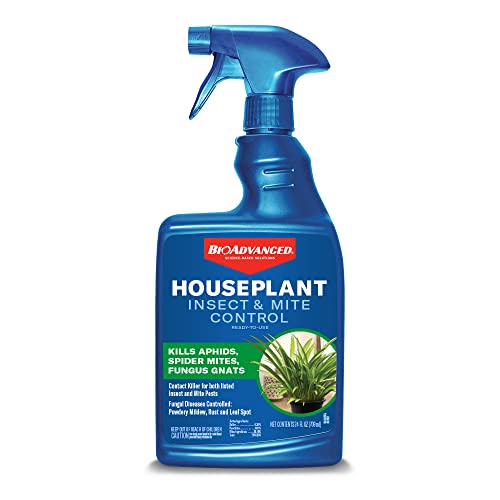
This ready-to-use formula targets common indoor pests and mites with a focus on houseplants. It works by contact to kill fungus gnats and other listed insects while also acting as a mite control agent. The product is suitable for use on flowers and herbs, offering flexibility for mixed indoor gardens. Users should thoroughly spray all areas of the plant, paying special attention to new shoots and the undersides of leaves where pests often hide.
BioAdvanced 3 in 1 Insect, Disease & Plant Mite Control

This 3-in-1 formula provides insect control, disease management, and mite suppression in a single spray. It is designed to protect against multiple threats such as aphids, whiteflies, rust, powdery mildew, and more. Suitable for a range of houseplants, it offers a convenient option for gardeners seeking compound protection without applying separate products for each problem. Follow label directions for best results and to minimize potential phytotoxicity on sensitive plants.
Mighty Mint Peppermint Plant Protection Spray

Made with plant-based peppermint, this spray targets a broad spectrum of pests while remaining gentle enough for indoor use. It’s designed for easy application and quick cleanup, with a focus on safety for people and pets when used as directed. The peppermint formula creates a refreshing barrier against spiders, aphids, and other common intruders, making it suitable for living spaces and herb gardens alike.
Bonide Insecticidal Soap
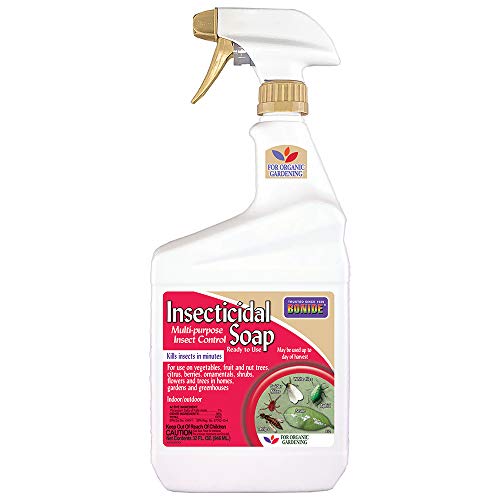
Bonide’s insecticidal soap delivers multi-species control through direct contact and ingestion. It’s positioned as an outdoor-friendly option for residential gardens, ornamentals, and greenhouses, with broad coverage against pests like aphids, whiteflies, spider mites, thrips, and more. The product’s versatility supports organic gardening goals and can be used on a wide array of edible and ornamental plants.
Mighty Mint Peppermint Oil Insect Repellent Spray
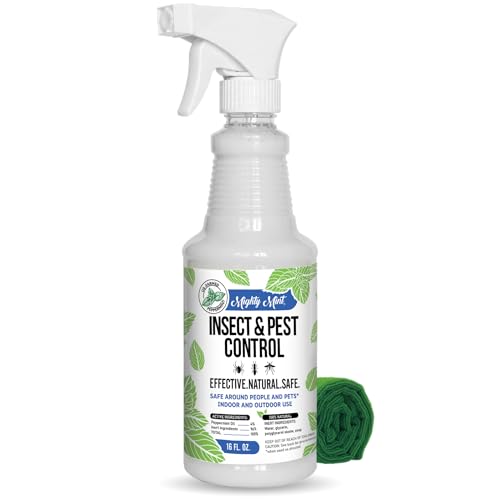
This peppermint oil-based spray is formulated as an extra-strong, natural repellent for indoor and outdoor use. It provides a plant-friendly alternative for households seeking a fragrance-friendly pest deterrent without harsh chemicals. The product emphasizes safety for pets and people when used as directed, and it is effective against a range of insects, including spiders, ants, and roaches, helping to protect living spaces and garden edges.
BioAdvanced Organics Brand Insect Killer for Houseplants

This organically positioned insect killer is OMRI-listed, making it suitable for organic gardening applications. It delivers fast action against common houseplant insects, including aphids, mealybugs, scale insects, whiteflies, and spider mites. The ready-to-use format offers a straightforward option for home gardeners who prioritize organic or low-synthetic input approaches while maintaining effective pest control.
VermExon Peppermint Oil Insect & Pest Control Spray

VermExon combines peppermint oil with purification technology to create a plant-based, highly effective spray. It claims fast, contact-based pest kill with a safe profile for households and fabrics. The emphasis on high purity and stability aims to reduce residue while providing lasting protection against a broad range of pests, including ants, flies, and spiders, making it a versatile option for kitchens, living areas, and pet-friendly homes.
Buying Guide: Key Purchase Considerations
- Target pests: Identify whether you need control for aphids, whiteflies, mites, fungus gnats, or a broader spectrum. Some formulas are insect-specific, while others combine disease and mite control.
- Indoor vs. outdoor use: Choose products labeled for your environment. Indoor sprays prioritize safety for people and pets, while outdoor products may offer stronger formulations for garden use.
- Plant compatibility: Review label guidance for sensitive plants. Some sprays are gentler on delicate foliage; others are robust but may require protective testing on new growth.
- Mode of action: Contact kill vs. systemic or residual protection. Contact sprays require direct exposure, while residual products provide longer-term defense but may have stricter safety considerations.
- Organic and OMRI-listed options: If you pursue organic gardening, prioritize products that are OMRI-listed or explicitly labeled as organic.
- Safety and handling: Consider pet safety, child safety, and ventilation. Plant-based and peppermint-based sprays generally offer lower risk profiles but should still be used as directed.
- Application ease: Look for ready-to-use formats with simple spraying, and consider nozzle design and coverage area for dense foliage or large pots.
When selecting an insect spray for plants, balance pest coverage with plant sensitivity and household safety. For chronic issues, consider rotating among compatible products to prevent pest resistance and to address multiple threat types such as fungus, mites, and insects. Always follow label directions for optimal results and to minimize phytotoxicity or accidental exposure.