Crabapple trees are a versatile choice for habitat, ornamental appeal, and wildlife food. This guide highlights five crabapple options that attract deer and other wildlife, while offering features like flowering beauty, edible fruit, and strong growth in various climates. Each selection includes an overview of size, bloom color, and resilience to help American readers choose the right tree for yards, landscape beds, or wildlife-friendly spaces.
| Product | Size / Pot | Key Benefit |
|---|---|---|
| TriStar Southern Crabapple Tree | 1 Gallon | Produces fruit for wildlife including deer; pink to white blossoms; pollinator-friendly |
| Prairiefire Crabapple Tree | 7 gal nursery pot | Vibrant flowers; strong landscape presence; note shipping restrictions |
| Dolgo Crabapple Tree | Live plant | Beautiful flowering; adaptable USDA zones 3-9 |
| Robinson Crabapple Tree | 7 Gallon | Self-pollinating; cold hardy; ornamental value |
| Centurion Crabapple Tree | 7 Gallon | Vibrant pink-red flowers; hardy and well-adapted to various soils |
Note: The availability and size can vary by vendor, and some varieties have regional shipping restrictions. Always verify local regulations before purchase.
TriStar Southern Crabapple Tree

TriStar Plants offers the Southern Crabapple in a 1-gallon trade container, reaching 3-4 feet in height. This cultivar, Malus Angustifolia, is known as Paradise Apple and is described as a wild apple type. The listed features emphasize that mature-looking images are of fully grown plants, while the supplied plant may be smaller. The tree produces edible fruit for song birds, birds, deer, and other small animals, and pink to white blossoms that attract pollinators such as bees and butterflies. Fruit production is anticipated in about 3-4 years, supporting wildlife in the mid-trajectory of growth.
Prairiefire Crabapple Tree

Prairiefire presents a striking pink flowering crabapple with vibrant foliage. This 7-gallon nursery pot offers a substantial landscape presence and an appealing color palette. It is noted that due to agricultural laws, shipping to certain states (CA, AZ, AK, HI) is not possible, and orders to those states will be refunded. Mature height is listed at 18-20 feet, making it a tall focal point for gardens or large landscapes. The tree can be used for preserves or fresh fruit, providing a flavorful addition to wildlife-friendly spaces, while attracting deer and other wildlife to the area.
Dolgo Crabapple Tree

The Dolgo Crabapple is listed as a live plant at 1.5-2 feet height, grown in a pot and fully rooted in soil. It ships with leaves during Spring and Summer and becomes dormant without leaves in Fall and Winter, a typical pattern for deciduous fruit trees. Dolgo features pink and white blooms and is suited to USDA zones 3 through 9. It adds floral beauty and seasonal interest to wildlife-friendly landscapes, including deer browsing in appropriate locales.
1 Crabapple Tree Live Plant
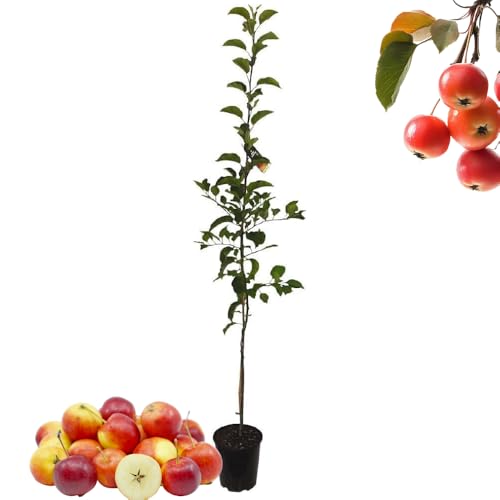
This live crabapple plant arrives at a height of 18 to 24 inches and is described as fully rooted in soil. It ships with leaves in Spring and Summer and becomes dormant in Fall and Winter. The tree is noted for light pink to white blooms and is suitable for USDA zones 3 to 9. As with other crabapple varieties, it contributes to a wildlife-friendly landscape by providing nectar for pollinators and fruit for wildlife, including deer when available in the environment.
Robinson Crabapple Tree

The Robinson Crabapple Tree is described as pink flowering and self-pollinating with good disease resistance. It is a 7-gallon specimen, and note is made about agricultural shipping restrictions to CA, AZ, AK, and HI. The tree offers a rounded maturity shape and is well-suited for landscape use where deer and other wildlife may forage on fallen fruit. Cold hardiness and ornamental value are highlighted, making it a strong option for temperate gardens seeking wildlife interest and resilience.
Centurion Crabapple Tree

Centurion features vibrant pink-red flowers and a hardy profile. The 7-gallon tree has an oval shape with substantial height and width potential and is described as adaptable to various soils. Like other selections on this list, it is impacted by agricultural shipping restrictions in certain states. Centurion brings strong ornamental value to landscapes and can contribute to deer habitat through fruit production when in season and climate-appropriate environments appears in.
Buying Guide
- Site selection: Choose a sunny, well-drained location to maximize bloom, fruiting, and overall health. Crabapples prefer full sun for best flowering and fruit set.
- Size and spacing: Consider mature height and spread. Most 7-gallon trees can reach tall forms; provide adequate space from structures and power lines.
- Wildlife value: If deer and other wildlife are a priority, look for varieties noted for fruiting and attraction, and recognize that fruit availability varies by season and local deer populations.
- Climate compatibility: Match the cultivar to your USDA zone and winter hardiness. Many crabapple trees tolerate zones 3–9, with some exceptions noted for shipping restrictions in certain states.
- Pollination: Some crabapple varieties are self-pollinating, while others benefit from a nearby compatible crabapple or apple tree for cross-pollination to increase fruit yield.
- Maintenance: Be prepared for pruning to maintain shape and remove any diseased wood. A tree help care kit or a general crabapple care regimen supports long-term vitality.
- Pests and diseases: Crabapples can be susceptible to rust, fire blight, and other issues. Choose cultivars with known disease resistance when possible and monitor regularly.
- Local regulations: Some listings mention state shipping restrictions. Check local rules before purchasing, especially if you reside in California, Arizona, Alaska, or Hawaii.
- Wildlife considerations: While deer may browse crabapple fruits, plan for fruit drop timing, grid out safe planting zones, and ensure deer pressure aligns with garden design goals.