Small-space gardening benefits from dwarf weeping Japanese maples that provide color, texture, and year-round interest. The following selections are well-suited for containers, patios, or compact landscapes. Each option offers distinctive foliage, graceful form, and manageable size, making them ideal for American gardens with sunny to partially shaded spots. The list below highlights five top choices with key features to guide your planting decisions.
| Product | Brand | Size/Height | Foliage Color | Notable Feature |
|---|---|---|---|---|
| Green Snowflake Dwarf Weeping Japanese Maple | Japanese Maples and Evergreens | Up to 4 ft | Delicate lacy leaves; orange margins in sun | Radiating fall colors: yellow and orange |
| Dwarf Kamagata Japanese Maple | Japanese Maples and Evergreens | Small; bonsai-friendly | Red and green in spring | Delicate leaves; ideal for bonsai |
| Red Laceleaf Weeping Japanese Maple Tamukeyama | Japanese Maples and Evergreens | Compact, weeping habit | Scarlet fall color | Excellent color retention in hot climates |
| Dwarf Weeping Ginkgo Biloba ‘Weeping Wonder’ | Japanese Maples and Evergreens | 2-year tree | Green turning to gold in autumn | Unique weeping form; very hardy |
| Kamagata Japanese Maple | Japanese Maples and Evergreens | 1-year live tree | Red and green in spring | Bonsai-friendly growth |
Note: This table provides a quick snapshot of five selected options and their standout traits. Individual plants may vary with growing conditions such as light, soil, and climate. Refer to product pages for growing recommendations and care tips.
Green Snowflake Dwarf Weeping Maple

The Green Snowflake is a slow-growing lace-leaf dwarf reaching up to four feet tall, making it a practical choice for small yards or container gardens. Its leaves are delicately cut, nearly circular, resembling tiny snowflakes. In full sun, the foliage develops orange margins, and autumn brings radiating shades of yellow and orange. This cultivar emphasizes texture and color contrast against greens and neutrals in a mixed border.
Care considerations include regular moisture during hot spells and protection from strong, drying winds. Mulching helps retain soil moisture, while a sunny to partly shaded location supports best leaf color development. This plant is well suited for bonsai-inspired arrangements or as a focal point in a compact landscape.
Dwarf Kamagata Japanese Maple

The Dwarf Kamagata offers compact growth with striking red and green tones visible in spring. Its delicate, ever-changing leaves provide seasonal drama, making it a strong candidate for container beds or small yard borders. The variety also lends itself to bonsai-style setups due to its manageable size and graceful branching.
Planting tips include selecting well-drained soil and a location that receives morning sun with afternoon shade in hotter regions. Regular watering during active growth helps establish strong roots, while pruning is minimal and mainly targeted to maintain a balanced silhouette. This maple blends well with evergreen companions and low-growing groundcovers.
Red Laceleaf Weeping Japanese Maple Tamukeyama

Tamukeyama stands out as a robust selection for hot, humid climates, holding its color exceptionally well. It is one of the most vigorous weeping maples, with bright scarlet fall color that intensifies as days shorten. Young leaves start with strong crimson tones, gradually deepening through summer before autumn brilliance.
Requirements include full sun to partial shade and protection from harsh afternoon heat in extremely warm areas. This cultivar pairs beautifully with evergreens and dark foliaged companions, offering year-round spectacle from spring leaf growth through fall color display.
Murasaki Kiyohime Dwarf Japanese Maple
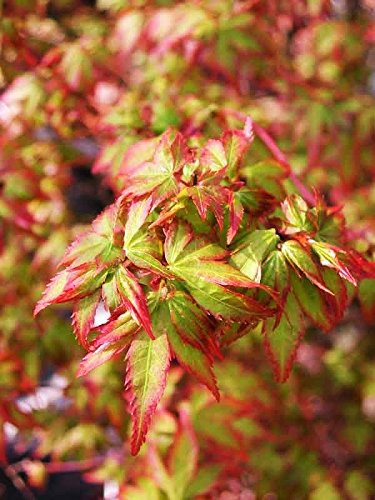
Murasaki Kiyohime is a compact cultivar noted for new growth that appears light yellow-green with a brick red edge. It remains a beautiful dwarf, typically reaching around six feet tall, and it is often recommended as a perfect bonsai starter tree due to its size and graceful form. The foliage presents a striking contrast that complements both light and dark landscape elements.
Growing considerations include light requirements that favor bright, indirect sun and well-drained soil. Regular watering during establishment helps reduce leaf scorch in hot climates, while light pruning maintains its elegant, compact silhouette. This maple is ideal for specimen plantings and small decorative containers.
Red Dragon Weeping Lace Leaf Japanese Maple

The Red Dragon is a standout from New Zealand with dramatic coloration that persists in sun or shade better than many cultivars. Its young leaves are bright scarlet in spring, transitioning to deep burgundy as they mature. The weeping habit adds a graceful, cascading silhouette perfect for containers, borders, or as an accent plant in a shaded nook.
To maximize color and vigor, provide consistent moisture, especially during dry periods, and protect from harsh winds that can desiccate delicate foliage. Pair Red Dragon with pale greens or complementary reds to emphasize seasonal color shifts and texture in your landscape.
Buying Guide: Key Purchase Considerations And Comparisons
When choosing a dwarf weeping Japanese maple, consider size at maturity, climate tolerance, sun exposure, and seasonal color changes. Dwarf varieties are ideal for small spaces, but root systems still demand well-drained soil and steady moisture. For container use, select cultivars known for strong vigor and structural integrity to withstand confinement and wind exposure.
- Sun exposure: Many lace-leaf maples tolerate full sun, but intense afternoon sun in hot regions can scorch foliage. Look for cultivars that show reliable color under your climate, and provide afternoon shade if necessary.
- Soil and drainage: Ensure well-drained soil to prevent root rot. Raised beds or containers with proper drainage improve success in heavier soils.
- Watering: Young trees require regular watering to establish roots. Monitor soil moisture and adjust frequency during heat waves or drought conditions.
- Pruning and shape: Weeping maples typically require minimal pruning, mainly to maintain shape or remove damaged branches. Light pruning after leaf-out in early spring supports a cleaner silhouette.
- Seasonal color: Expect a display from spring growth through fall foliage. Some cultivars exhibit striking winter bark or stem color, adding interest beyond leaves.
Comparing options, the Green Snowflake emphasizes delicate leaves and orange-sun margins, while Tamukeyama offers strong color retention in hot climates and vivid fall color. Kamagata selections focus on compact, versatile form suitable for bonsai and container gardens. Red Dragon and Murasaki Kiyohime provide bold color transitions and bonsai-friendly sizes, letting gardeners tailor a multi-season display. Choose based on climate compatibility, space constraints, and desired focal effects in your landscape.