For American gardeners aiming to improve soil structure, nutrient content, and overall plant health, red wiggler worms are a proven ally. This guide highlights top red wiggler options from Uncle Jim’s Worm Farm and select trusted brands, focusing on starter packs and larger quantities to fit different growing scales. Explore how these worms transform kitchen scraps into rich worm castings, enhancing soil biology and plant vitality.
The table below summarizes five highly relevant red wiggler products. Each entry includes key traits to help you compare options at a glance.
| Product | Brand | Approx. Count | Best For | Representative Features |
|---|---|---|---|---|
| 100 Count Red Wiggler Worms | Uncle Jim’s Worm Farm | 100 | Starter projects, home compost bins | Decades-old worm beds, diverse castings, nutrient-rich worm castings |
| 250 Count Red Wiggler Worms | Uncle Jim’s Worm Farm | 250 | Medium-sized gardens, consistent production | Same strong castings profile, soil-structure benefits |
| 2000 Count Red Wiggler Worms | Uncle Jim’s Worm Farm | 2000 | Large composting setups, farms | High-volume worm supply, robust soil enhancement |
| 1,200 Live Redworms | NaturesGoodGuys | 1,200 | Extensive composting, community projects | Turn organics into nutrient-rich soil, efficient waste disposal |
| 1/4 lb Red Wigglers | WWJD Worms | Approx. 1/4 lb | Smaller to moderate setups, educational kits | Versatile use, fresh castings for soils |
Uncle Jim’s Worm Farm — 100 Count Red Wiggler Worms

These red wigglers are described as harvested from long-standing worm beds, offering diversity that helps them work through multiple compost layers for faster, richer decomposition. The product emphasizes worm castings that are richer in phosphates, nitrogen, and potash compared to typical lawn soil. Suitable for garden soils and composting setups, these worms are promoted as a foundation for healthier garden growth due to their nutrient-rich castings.
Uncle Jim’s Worm Farm — 250 Count Red Wiggler Worms

This package mirrors the same benefits as the 100-count option with a larger quantity, making it suitable for ongoing composting cycles and bigger garden beds. The description highlights the same diversity and nutrient-rich worm castings produced by Red Wigglers, emphasizing improved soil structure and plant nutrition over time. A strong choice for steady, scalable compost production.
Uncle Jim’s Worm Farm — 2000 Count Red Wiggler Worms

Designed for large composting setups or community projects, this option offers a substantial worm population to accelerate organic matter breakdown. The product listing reiterates the benefits of worm castings—rich in essential nutrients that support garden health—while noting the worms’ capacity to operate effectively through various soil layers, boosting overall compost quality and soil fertility.
250 Red Worms Red Wigglers — CheapWormsForSale
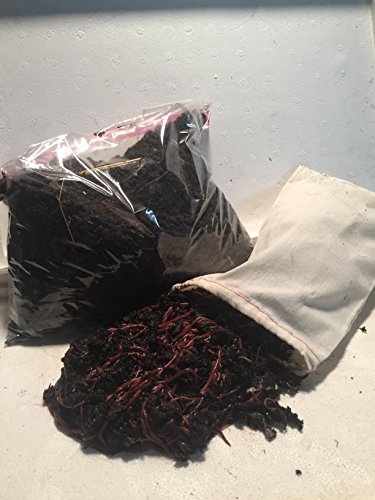
A versatile option described as nutrient-rich for producing quality worm castings, with adaptability to various climates. The listing highlights multiple uses, including as garden worms, live fishing bait, and for community composting projects, underscoring the practical value of red wigglers in diverse settings.
NaturesGoodGuys — 1,200 Live Redworms
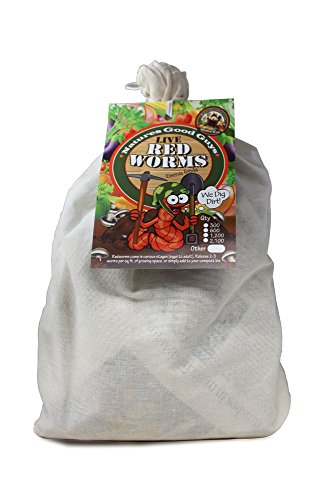
Offering a high-count option, these red wigglers are positioned as efficient recyclers of organic waste into nutrient-rich soil. The description frames them as a natural solution for improving soil quality and promoting healthy plant growth through robust worm activity and castings production.
WWJD Worms — 1/4 lb Red Wigglers

This smaller-sized pack emphasizes nutrient-rich compost production and soil fertility through red wigglers suited for a variety of composting bins and garden applications. It promotes versatility, suggesting use in raised beds, worm farms, and general gardening projects, with an emphasis on rich castings and soil enhancement.
Buying Guide: Key Purchase Considerations For Red Wiggler Worms
- Count and scope: For beginners or small kitchens, 100–250 worms provide enough activity to establish a composting routine. Larger setups and farms may require 1,000+ worms to maintain steady processing.
- Source and diversity: Reputable suppliers emphasize diverse worm populations and proven bed histories. Diverse populations help process different types of kitchen waste and speed up compost maturation.
- Purpose alignment: Decide whether you primarily want compost production, soil amendment, or live bait. Some listings emphasize castings quality, while others highlight soil fertility benefits.
- Castings quality: Look for statements about nitrogen, phosphorus, and potassium content in worm castings or comparative quality to typical soil. Richer castings generally support better plant growth.
- Start-up needs: Consider bin size, moisture control, temperature range, and feeding guidelines. Red wigglers perform best in cool to warm conditions and well-managed moisture levels.
- Longevity and care: Check for packaging details about worm vitality, transport conditions, and feeding recommendations to ensure you minimize stress on arrival and maximize survival.
- Cost efficiency: Compare price-per-worm or price-per-pound to gauge long-term value, particularly for larger projects where ongoing replenishment may be needed.
- Delivery considerations: Availability of shipping options, estimated arrival times, and return policies can influence your planning for time-sensitive projects.
- Ethical and sustainable sourcing: Some brands emphasize sustainable farming practices and responsible worm production as part of their value proposition.
Red wigglers are widely recognized for their role in recycling organic waste into nutrient-rich soil amendments. When selecting a product, prioritize a supplier with clear cultivation history, robust customer feedback, and transparent casting quality claims. Pair worms with appropriate bins, aerobic aeration, and a steady feeding plan to maximize composting efficiency and garden impact.